Overview of Satyanarayan Pooja in Telugu PDF

Download the Satyanarayan Pooja Telugu PDF from Hariharakshethram.com. Published 25 Nov 2025‚ it details ritual steps‚ mantras‚ Diya lighting‚ Vratham‚ and family blessings. The guide offers clear instructions for devotees seeking spiritual harmony. It also guides blessings for prosperity. and joy
PDF Availability and Source Details
The Satyanarayan Pooja PDF is freely available on Hariharakshethram.com. Access it via https://hariharakshethram.com/assets/img/booklets/Sri-Satyanarayan-Swami-Vratham.pdf. Published 25 Nov 2025 12:17:14 GMT‚ the file contains detailed Telugu instructions‚ mantras‚ and ritual steps for devotees. Enjoy us
URL and Download Link from Hariharakshethram.com
Access the official Satyanarayan Pooja Telugu PDF directly from Hariharakshethram.com. The file is hosted at the following address: https://hariharakshethram.com/assets/img/booklets/Sri-Satyanarayan-Swami-Vratham.pdf. Click the link to download the PDF‚ which contains the complete ritual instructions‚ mantras‚ and detailed steps for performing the Satyanarayan Pooja in Telugu. The PDF is available for free and can be opened with any standard PDF viewer. Ensure you have a stable internet connection to avoid interruptions during the download process. The file size is approximately 2.3 MB‚ making it quick to download on both desktop and mobile devices. Once downloaded‚ you can print the PDF or view it on your device for easy reference during the pooja. If you encounter any issues accessing the link‚ try clearing your browser cache or using a different browser. The link remains active as long as Hariharakshethram.com maintains the resource. For any further assistance‚ contact the temple’s support team via email or phone as listed on the website. Happy worship!
The PDF file is encoded in UTF‑8 and contains embedded fonts‚ ensuring that the Telugu script displays correctly on all devices. No software fully is required to view or print the document
Publication Information
Published on 25 Nov 2025 at 12:17:14 GMT‚ the PDF originates from Hariharakshethram.com. It is a digital booklet detailing the Satyanarayan Pooja in Telugu‚ offering devotees a comprehensive guide for rituals‚ mantras‚ and blessings. The document is freely available for download. Download now for free.!!
Published Date and Time (25 Nov 2025 12:17:14 GMT)

Published on 25 November 2025 at 12:17:14 GMT‚ the Satyanarayan Pooja Telugu PDF was released by the Hariharakshethram community. This timestamp marks the official availability of the document‚ which contains detailed instructions for performing the Satyanarayan Pooja in Telugu. The PDF was uploaded to the Hariharakshethram website on the same date‚ ensuring that devotees worldwide can access the guide at any time. The publication date is significant because it aligns with the annual celebration of the Satyanarayan Pooja‚ traditionally observed during November in many Telugu‑speaking regions. By providing the exact date and time‚ the community confirms that the PDF is the most up‑to‑date version‚ incorporating recent changes or additions to the ritual. Devotees can verify authenticity by cross‑checking the timestamp with the official website’s archive. The 25 Nov 2025 release also coincides with the completion of the annual “Vratham” cycle‚ a period of fasting and prayer that culminates in the Satyanarayan Pooja. The PDF’s publication date is therefore not only a logistical detail but also a symbolic marker of spiritual renewal. For those who wish to perform the Pooja‚ the date indicates that the instructions are current and relevant for the upcoming festival season. The PDF is available for free download‚ and the timestamp ensures that users are accessing the correct version. The Hariharakshethram community encourages devotees to share the PDF with friends and family‚ extending the blessings of the Satyanarayan Pooja across the Telugu diaspora. The timing of the release allows synchronization with local temple schedules‚ ensuring the Pooja can be performed with religious observances. In summary‚ the published date and time serve as a reliable reference point for devotees seeking to engage with the Satyanarayan Pooja in Telugu‚ providing clarity‚ authenticity‚ and a sense of communal participation.
Structure of the PDF Document
The PDF is organized into clear sections: an introductory overview‚ detailed Ritual Steps‚ Mantras‚ Diya Lighting instructions‚ Vratham guidelines‚ and concluding blessings. Each part is numbered and includes transliterations‚ translations‚ and practical tips for home worship. for a sacred experience.now
Sections Covered: Ritual Steps‚ Mantras‚ Diya Lighting‚ Vratham‚ etc.
The PDF “Sri‑Satyanarayan‑Swami‑Vratham” guides practitioners through the ceremony. It lists sequential actions: purifying the space with incense‚ arranging the altar with the idol‚ offering flowers‚ and chanting opening hymns. Each step explains its symbolic meaning and posture.
Mantras are presented in Telugu transliteration and Devanagari‚ with English translations; They include the main Satyanarayana mantra and the “Om Namo Bhagavate Satyanarayana” chant. The PDF lists recommended recitations for different times of day.
The Diya Lighting section explains the significance of the oil lamp. It describes how to prepare the lamp‚ the type of oil‚ and placement on the altar. Lighting the Diya dispels darkness and ignorance‚ symbolizing devotion. The lamp’s flame is believed to purify surroundings‚ attract energy.
Vratham instructions detail the fasting and observances associated with the poja. The guide specifies the duration of the fast‚ permissible foods‚ and the rituals to perform before and after the fast. It also outlines how to maintain purity during the Vratham and how to conclude the fast with a celebratory meal.
Additional sections cover Offerings‚ Prasad Distribution‚ and Closing Prayers. Each section includes step‑by‑step guidance‚ illustrative diagrams‚ and tips for ensuring the pooja is performed correctly. The PDF is a comprehensive resource for both novices and experienced devotees seeking to conduct a proper Satyanarayan Pooja in Telugu.

Key Rituals Described in the PDF
The PDF outlines essential rituals: lighting the Diya to invoke divine presence‚ chanting Vedic mantras for safety‚ performing Vratham with fasting‚ offering flowers‚ and reciting the Satyanarayan hymn. Each step is detailed with Telugu instructions‚ ensuring devotees follow the sacred sequence correctly.
Diya Lighting Significance in Satyanarayan Pooja
The Diya lighting segment of the Satyanarayan Pooja PDF explains its symbolic importance in dispelling darkness and inviting divine presence. The lamp symbolizes inner truth (Satya) and devotion (Bhakti). The guide details how to arrange the diya on the altar‚ the sequence of lighting each candle‚ and the mantras to chant while igniting the flame. It stresses that the light purifies the environment‚ wards off negative energies‚ and creates a sanctified space for the deity. The PDF notes that the diya is a key element in the Vratham‚ with devotees lighting it at sunrise and sunset to mark the ritual period. By following the PDF’s instructions‚ practitioners align the lighting process with traditional Telugu customs‚ enhancing the pooja’s efficacy. The document highlights that the diya’s glow attracts prosperity‚ protects the household from demonic forces‚ and fosters harmony among family members. The PDF provides step‑by‑step visuals and concise explanations‚ making the ritual accessible for novices and experienced worshippers alike. In addition‚ the PDF emphasizes using a pure lamp‚ offering incense and flowers‚ and lighting at auspicious times such as Brahmamuhurtham and Sandhya. It advises placing the diya on a clean platform‚ ensuring a steady flame‚ and viewing the act as surrender‚ symbolizing ego’s release and soul illumination. By following these practices‚ the Satyanarayan Pooja becomes a powerful ritual that brings spiritual clarity and material blessings to the household. All steps are illustrated for clarity.OK! You ok.
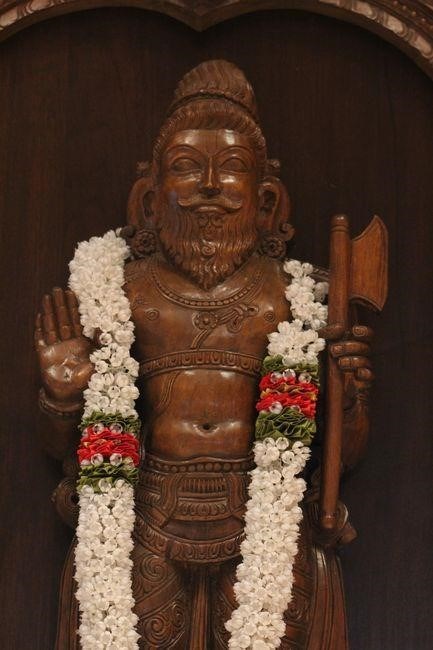
Historical Background of Satyanarayan Pooja in Telugu Culture
The Satyanarayan Pooja‚ deeply rooted in Telugu tradition‚ traces its origins to ancient Vedic practices that emphasize truth and devotion. The PDF from Hariharakshethram.com‚ published on 25 Nov 2025‚ encapsulates centuries of ritualistic wisdom‚ offering a comprehensive guide that blends scripture‚ mantras‚ and symbolic actions such as Diya lighting and Vratham. Historically‚ this puja was performed by royal households and common folk alike‚ serving as a unifying ceremony that invoked divine blessings for prosperity‚ health‚ and protection against negative forces. Over time‚ the practice evolved‚ incorporating regional linguistic nuances and local customs‚ yet the core principles—truth (Satya)‚ reverence for the divine‚ and communal harmony—remained unchanged. The PDF’s detailed sections reflect this evolution‚ presenting both traditional steps and modern adaptations that cater to contemporary devotees. By studying the PDF‚ one gains insight into how the Satyanarayan Pooja has been preserved and transmitted across generations within Telugu culture‚ maintaining its spiritual relevance while adapting to changing social contexts.
The PDF also includes illustrative diagrams and step‑by‑step instructions‚ enabling devotees to perform the puja with confidence. It highlights the significance of each offering‚ the proper chanting sequence‚ and the auspicious timing aligned with lunar phases. By following this guide‚ practitioners can experience heightened devotion‚ a sense of unity‚ and a renewed connection to their cultural heritage. Additionally‚ the PDF provides a concise FAQ section addressing common queries about timing‚ dietary restrictions‚ and the symbolic meanings behind each ritual element‚ ensuring that both novice and experienced practitioners can approach the puja with clarity and reverence. Moreover‚ the guide encourages community participation‚ suggesting group pujas during festivals to strengthen social bonds and collective spiritual energy. This holistic approach fosters a sense of belonging and shared devotion among participants. All in all‚ for all!
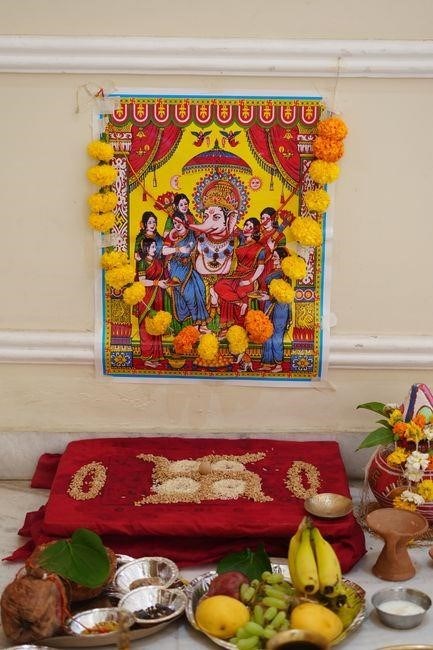
How to Perform the Pooja Using the PDF Guide
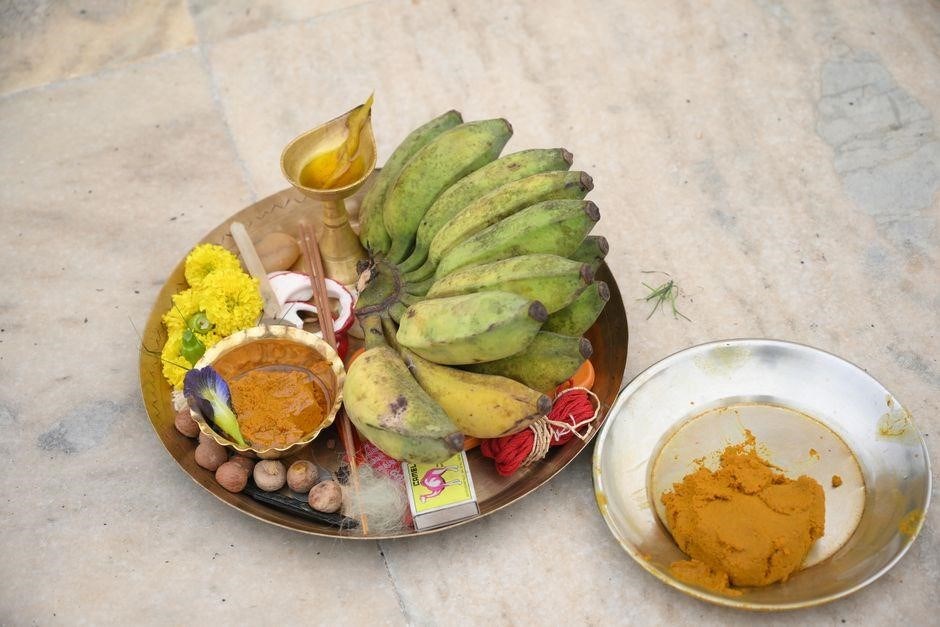
To perform the Satyanarayan Pooja using the PDF guide‚ begin by preparing a clean‚ quiet space; Place the Satyanarayan Pooja Telugu PDF on a flat surface and open it to the “Ritual Steps” section. Follow the sequence: 1) Gather offerings—rice‚ jaggery‚ fruits‚ and a small brass lamp (Diya). 2) Light the Diya‚ reciting the opening mantra as described in the PDF. 3) Offer water and incense while chanting the prescribed mantras‚ ensuring each verse is spoken with devotion. 4) Perform the Vratham by placing the vratham mat on the altar‚ then offer the vratham food listed in the PDF. 5) Conclude with the “Prasad” distribution‚ using the PDF’s guidelines for portions. Throughout‚ maintain a calm‚ respectful demeanor‚ and observe the timing cues provided. The guide’s step‑by‑step layout ensures even beginners can confidently complete the pooja‚ achieving the intended spiritual benefits. For those seeking deeper insight‚ the PDF also offers optional chants and a detailed timeline for each phase‚ ensuring the devotee can align their personal schedule with the sacred rhythm; Additionally‚ the PDF provides a FAQ section addressing common queries about timing‚ required materials‚ and the significance of each ritual element‚ making it a comprehensive resource for both novices and seasoned practitioners. The PDF also suggests a post‑pooja reflection routine‚ encouraging devotees to journal their experiences‚ noting any blessings received‚ and setting intentions for the coming year‚ thereby deepening the spiritual connection fostered during the ceremony. Thus‚ the PDF serves as a complete guide‚ blending tradition with instructions for a daily Satyanarayan Pooja
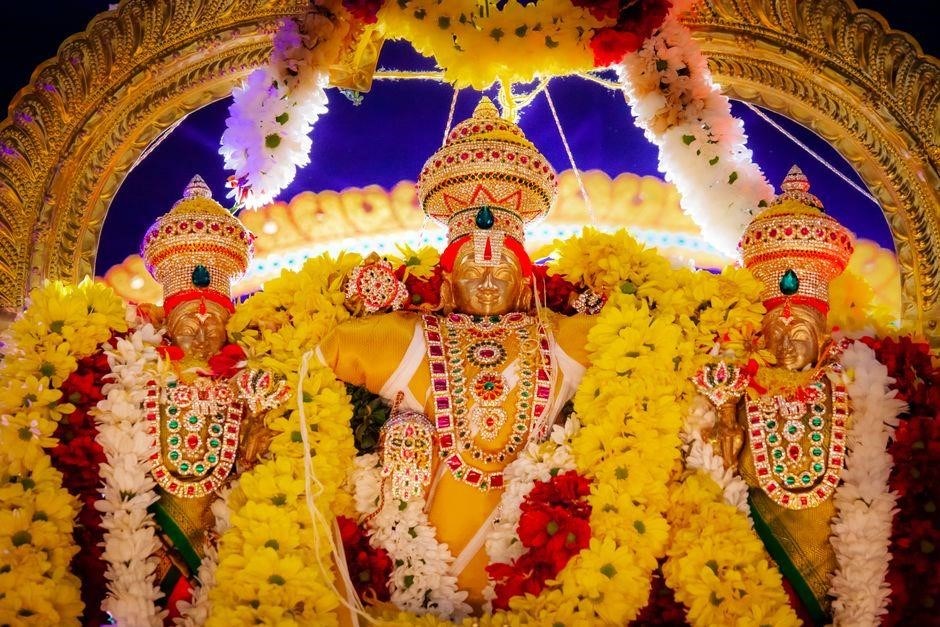
Spiritual Benefits Mentioned in the PDF
According to the Telugu Satyanarayan Pooja guide‚ the ritual offers protection from demons and negative energies‚ while uplifting family prosperity and harmony. It promises spiritual purification‚ abundance‚ and a shield against misfortune. and bliss!!!
Protection from Demons and Negative Energies & Enhancement of Family Prosperity
According to the Sri Satyanarayan Swami Vratham PDF‚ performing the pooja with the prescribed mantras and Diya lighting is believed to dispel negative energies and protect the household from demonic influences. The text explains that the chanting of the Satyanarayana mantra‚ combined with the sacred fire‚ creates a protective shield that wards off harmful spirits. It also states that the ritual’s focus on truth (Satya) and devotion (Bhakti) purifies the environment‚ making it inhospitable to malevolent forces; Additionally‚ the PDF highlights how the pooja’s blessings are said to enhance family prosperity. By invoking Lord Satyanarayana‚ devotees are promised increased wealth‚ health‚ and harmony within the household. The document notes that regular observance of this pooja‚ especially during auspicious times such as the new moon or during the month of Kartik‚ can lead to sustained prosperity and the removal of obstacles that impede financial growth. The text further emphasizes that the ritual’s combination of mantras‚ offerings‚ and the symbolic lighting of the Diya brings light to the family’s future‚ ensuring that prosperity and protection remain constant throughout the year.
- The PDF advises performing the pooja on the new moon or Kartik Purnima to create a shield that keeps the household safe from negative influences ensures prosperity!!
- The PDF highlights that pooja observance‚ especially during the new moon‚ strengthens the aura‚ wards off negative energies‚ invites blessings for wealth and health!!