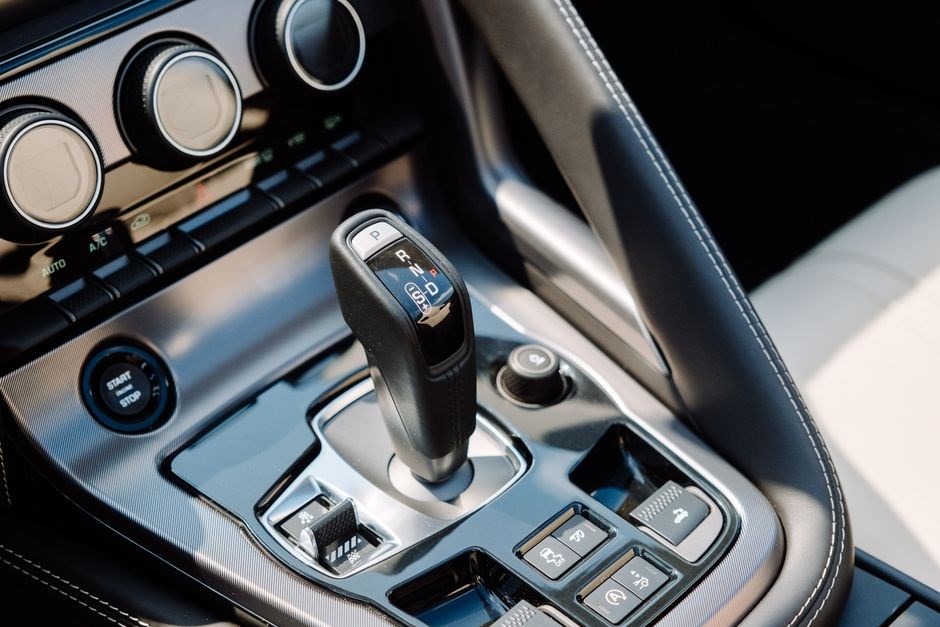
5 vs 6 speed manual

Choosing between a 5‑speed and a 6‑speed manual can shape driving feel, performance, and fuel economy. A 6‑speed offers closer ratios for smoother acceleration and quieter highway cruising, while a 5‑speed can be lighter, cheaper, and still efficient with well‑tuned final‑drive ratios. It balances daily usewell.

Understanding Gearboxes

Gearboxes translate engine torque into wheel motion through a set of gears. A manual gearbox requires driver input to shift, offering control over speed and torque. Five or six forward gears alter torque multiplication, affecting acceleration, top speed, and engine load.. !

Definition of 5-Speed Manual

A 5‑speed manual gearbox offers five forward gear ratios, letting drivers balance torque and speed across driving conditions. The gears progress from low‑speed, high‑torque first gear to high‑speed, low‑torque fifth gear, typically arranged as 1st for rapid acceleration, 2nd and 3rd for mid‑range performance, 4th for efficient cruising, and 5th as an overdrive that lowers engine RPM at highway speeds. This layout is common in many compact and midsize cars, providing a good mix of performance, fuel economy, and mechanical simplicity. The 5‑speed design keeps the gearbox lighter and less complex than a 6‑speed, often reducing manufacturing costs and maintenance. However, the larger gaps between ratios can make acceleration feel slightly less refined compared to a 6‑speed, especially in modern engines that benefit from closer ratios for optimal power band usage.

Typical gear ratios for a 5‑speed might be 3.50:1 for first, 2.20:1 for second, 1.40:1 for third, 1.00:1 for fourth, and 0.80:1 for fifth, though values vary by manufacturer and vehicle weight. These ratios keep the engine within its optimal torque band during acceleration while also providing a low engine speed in top gear for improved fuel economy. The 5‑speed layout is popular in vehicles that prioritize a balance between performance and cost, such as many entry‑level sedans, hatchbacks, and some sports cars from the early 2000s. While newer models increasingly adopt 6‑speed or automated transmissions for better efficiency, the 5‑speed remains a staple in many markets due to its proven reliability and ease of repair.

Drivers often appreciate the engagement of a 5‑speed, as the fewer shifts can make the driving experience feel direct.!!
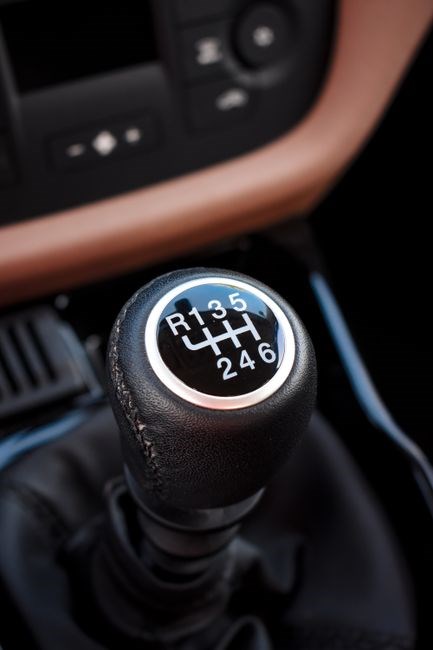
Definition of 6-Speed Manual

A 6‑speed manual gearbox adds an extra forward gear, allowing tighter ratio spacing and a lower engine RPM in top gear. This design improves fuel efficiency on highways, reduces engine noise, and keeps the power band closer to the engine’s optimum torque range. Typical gear ratios might be 3.50:1 for first, 2.20:1 for second, 1.40:1 for third, 1.00:1 for fourth, 0.80:1 for fifth, and 0.65:1 for sixth. The sixth gear functions as an overdrive, lowering the engine speed at cruising speeds and enabling smoother acceleration between lower gears. Many modern compact, midsize, and sports cars adopt 6‑speed manuals to balance performance, economy, and driving engagement. The added gear also offers a more refined shift pattern, making the driving experience feel more connected to the engine’s power curve. While the 6‑speed is slightly heavier and more complex than a 5‑speed, its benefits in fuel economy and acceleration often outweigh the marginal cost increase for enthusiasts and everyday drivers alike.

The 6‑speed manual’s extra gear allows drivers to keep the engine in its most efficient RPM range for longer periods, By offering a lower top‑gear ratio, the gearbox reduces engine load during highway cruising, which translates into lower fuel consumption. Additionally, the closer spacing between gears improves acceleration smoothness, making gear changes feel more seamless and responsive. Many drivers appreciate the refined feel of a 6‑speed as it bridges the gap between performanceeconomy, delivering a balanced driving experience that suits both spirited driving commuting!!
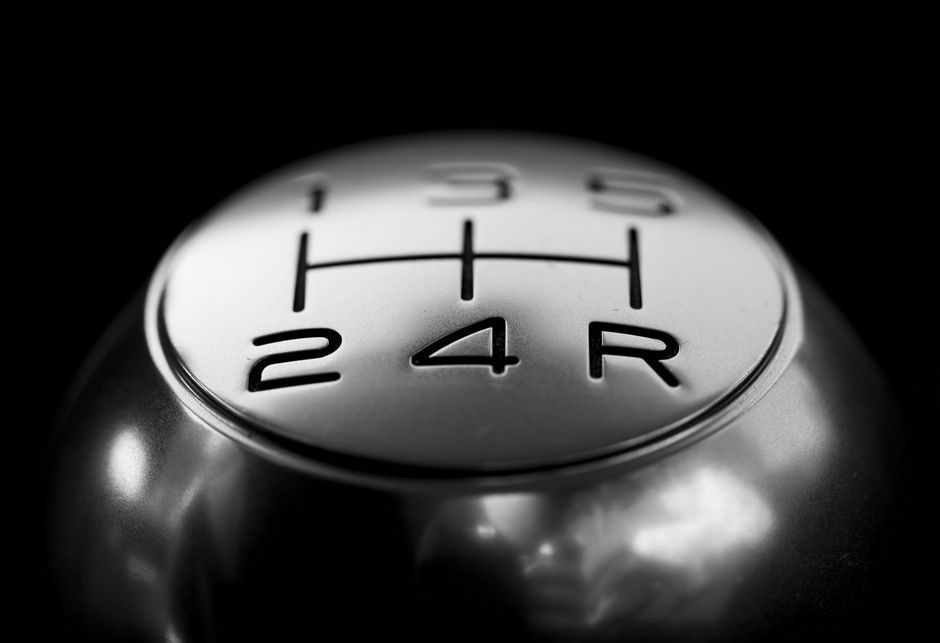
Gear Ratio Analysis

6‑speed gearboxes use tighter ratios, placing the engine closer to peak torque and lowering RPM in top gear. 5‑speed gearboxes have wider gaps, offering a simpler, lighter design but less flexibility. Ratio spread directly affects acceleration, top speed, and fuel economy. Efficient.

Ratio Distribution in 5-Speed

In a typical 5‑speed manual, the first gear is the most aggressive, designed to deliver maximum torque for a quick launch. The second gear follows with a slightly lower ratio, allowing the engine to stay within the power band while the vehicle accelerates. The third gear often represents a middle ground, balancing acceleration and fuel efficiency. The fourth gear is usually a high‑speed gear, providing a compromise between engine speed and road speed. Finally, the fifth gear is the top gear, optimized for highway cruising, keeping engine RPM low to improve fuel economy. The spread between gears is generally wider than in a 6‑speed, meaning each shift covers a larger jump in engine speed. This design can simplify the gearbox, reduce weight, and lower manufacturing costs. However, the larger gaps can lead to more noticeable changes in engine sound and torque delivery when shifting, especially under load. Drivers may experience a more pronounced “step” between gears, which can affect the smoothness of acceleration and the overall driving feel. Engineers often compensate by tuning the final‑drive ratio and selecting gear ratios that best match the vehicle’s power curve. The result is a gearbox that is efficient for everyday use but may lack the fine‑tuned flexibility of an extra gear. Understanding these trade‑offs helps buyers decide whether the simplicity and cost savings of a 5‑speed outweigh the performance benefits of an extra gear. Ultimately, the choice hinges on driving priorities: a 5‑speed delivers a lighter feel, while a 6‑speed offers smoother transitions and highway efficiency.!!

Ratio Distribution in 6-Speed

In a 6‑speed manual, the gear spread is deliberately tighter, with each shift covering a smaller jump in engine rpm. The first gear is still the most aggressive, but the second and third gears are closer together, allowing the engine to stay nearer its peak torque band during acceleration. The fourth gear often serves as a mid‑range step that balances performance and efficiency. The fifth gear is a high‑speed gear that keeps rpm low for highway cruising, while the sixth gear is the top gear, optimized for maximum fuel economy and a quiet ride. This tighter distribution means the driver experiences smoother transitions, reduced engine noise, and a more consistent power delivery. Engineers can also fine‑tune the final‑drive ratio to match the vehicle’s intended use, whether it’s daily commuting or spirited driving. The result is a gearbox that offers better flexibility, improved fuel efficiency on the motorway, and a more refined driving feel compared to a 5‑speed. However, the added gear increases mechanical complexity, weight, and cost, which manufacturers weigh against the performance gains. Ultimately, the 6‑speed’s closer ratios provide a more versatile and efficient driving experience for many drivers. By incorporating an extra gear, manufacturers can fine‑tune shift points to keep the engine operating near its peak torque range across a broader speed spectrum, which not only enhances acceleration and top‑speed capability but also allows drivers to maintain lower rpm at cruising speeds, thereby reducing engine wear and improving overall vehicle longevity. It boosts now.
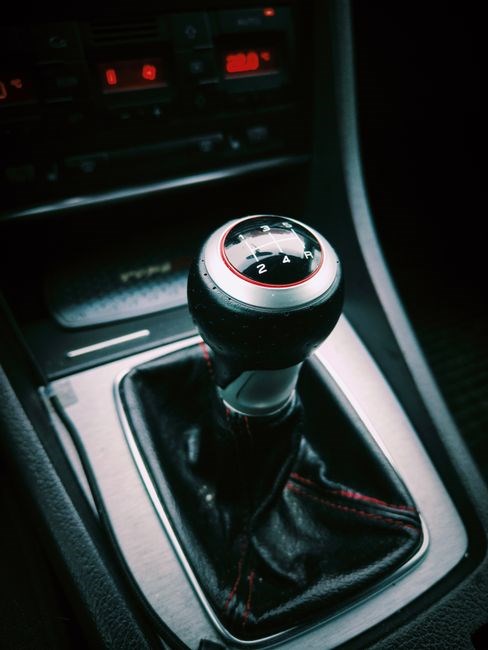
Performance Impact

A 6‑speed manual delivers smoother acceleration and higher top speed thanks to tighter gear ratios, keeping the engine near peak torque. The extra gear also lowers rpm in high‑speed cruising, reducing noise and improving fuel economy versus a 5‑speed. Drivers see better acceleration savings.

Acceleration Differences

This results in a more responsive throttle and a smoother transition between gears, especially noticeable when shifting from second to third or third to fourth.

Drivers often report a noticeable “mid‑shift” boost, where the engine can maintain higher rpm without over‑revving, providing a more spirited drive.

In contrast, a 5‑speed manual typically has wider gaps between gears, which can cause the engine to drop out of its peak torque range during a shift.

While the difference is subtle in everyday driving, performance enthusiasts and track drivers find that the tighter ratios of a 6‑speed enable quicker acceleration times, especially in the 0‑60 mph range.

Additionally, the extra gear in a 6‑speed allows for a lower top‑gear ratio, keeping the engine in a higher rpm range during high‑speed runs, which can translate to a faster top speed.

On the other hand, a 5‑speed can still deliver strong acceleration if the gear ratios are well‑designed, but it often requires more aggressive shifting to maintain the same power delivery.

Ultimately, the choice between 5‑and 6‑speed transmissions for acceleration depends on the driver’s preference for smoothness versus raw power, as well as the specific tuning of the gearbox.

Drivers who value launchand gear steps often favor the 6‑speed, while those who prefer simplicityand lower cost may still find the 5‑speed adequate for everyday acceleration. use performance.!!!!!!!??!!!!!!

Top Speed and Power Band

This difference means that a 6‑speed gearbox usually has a lower final gear (e.g., 0.70:1) compared to a 5‑speed’s top gear (e.g., 0.80:1). The lower ratio keeps the engine in its optimal power band at higher road speeds, allowing the vehicle to sustain peak torque and horsepower for longer periods. Consequently, a 6‑speed can reach a higher top speed on a given road or track, especially when the engine’s red‑line rpm is high. The tighter spacing between gears also means that the engine can stay closer to its most efficient rpm range during acceleration, reducing the need for a high‑speed gear that would otherwise push the engine into a less efficient zone. In contrast, a 5‑speed’s wider gear steps often force the engine to climb to a higher rpm to maintain power, which can result in a slightly lower top speed and a less efficient power band at cruising speeds. However, if the 5‑speed’s final gear is tuned to a very low ratio, it can still achieve comparable top speeds, but the trade‑off is typically a heavier clutch and more wear on the final drive. Overall, the 6‑speed’s ability to keep the engine in its sweet spot at higher speeds gives it an advantage in both top speed and sustained power output, while the 5‑speed’s simplicity can still deliver strong performance if properly matched to the vehicle’s drivetrain and engine characteristics.

For example, a 200‑horsepower inline‑four in a 5‑speed reaches about 140 mph, while the same engine in a 6‑speed can hit 150 mph thanks to the lower top‑gear ratio. The tighter spacing keeps the engine in its sweet spot, improving acceleration and reducing lag.

Because the 6‑speed’s final gear is lower, the engine can stay in its most efficient rpm range for longer, which is especially valuable for long highway drives and when towing heavy loads. The trade‑off is a slightly heavier clutch and more complex gear linkage, but the performance gains often outweigh these drawbacks. Thanks!Enjoy

Fuel Efficiency Considerations

A 6‑speed manual typically improves highway fuel economy by keeping the engine at lower RPMs in top gear, reducing drag and idle loss. Tuned 5‑speed can match efficiency, but the extra gear in a 6‑speed offers smooth transitions and better fuel savings on long drives. daily

Highway Cruise Efficiency

On long stretches of highway, the extra gear in a 6‑speed manual often translates into noticeable fuel savings. By allowing the engine to run at a lower, more efficient RPM in top gear, the transmission reduces both aerodynamic drag and internal friction. Drivers typically experience a smoother, quieter ride because the engine stays closer to its optimal power band, cutting idle loss and improving overall mileage. A well‑tuned 5‑speed can match this efficiency if the final‑drive ratio is selected to keep the engine in the sweet spot, but it usually requires a slightly higher top‑gear ratio to compensate for the missing sixth gear. Consequently, many modern vehicles adopt 6‑speed manuals to achieve better highway economy, especially in cars with larger engines or higher horsepower, where keeping the engine below peak torque yields the greatest benefit. In practice, the difference can range from a few tenths of a gallon per 100 miles to a full gallon, depending on driving style, vehicle weight, and engine size. For commuters who spend hours on the road, the 6‑speed’s ability to maintain lower RPMs during cruising often outweighs the marginal weight and cost increase, making it the preferred choice for fuel‑conscious drivers; Moreover, the reduced load on the clutch during high‑speed cruising also lessens wear, extending the life of the manual gearbox. Drivers who prioritize long‑term reliability often favor the 6‑speed for its smoother engagement and lower engine strain. In contrast, the 5‑speed’s simpler design can appeal to purists who value mechanical straightforwardness and slightly lower purchase cost. Thanks.

Weight and Complexity

A 6‑speed gearbox adds an extra gear set, increasing weight by roughly 5–10 kg and mechanical complexity. More synchronizers and a larger clutch assembly raise manufacturing cost, while the extra gear improves shift precision. A 5‑speed remains lighter, simpler, and cheaper.better.
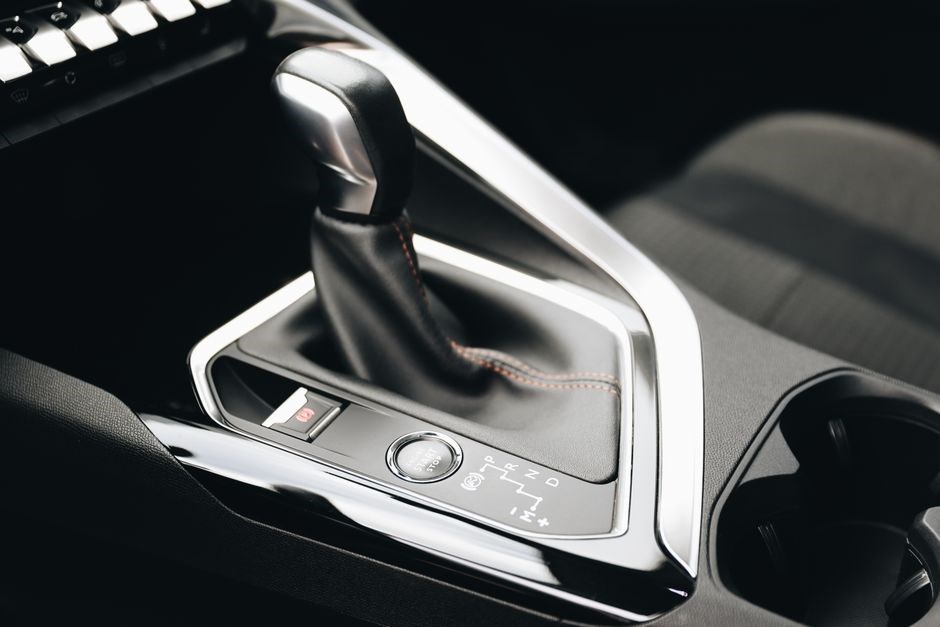
Mechanical Weight and Cost

In a 6‑speed manual, the extra gear set and synchronizer add roughly 5–10 kg, raising total drivetrain weight by 2–3 %. The added mass increases clutch load and requires a larger clutch disc and bearing. Manufacturing cost rises 10–15 % due to extra gear teeth, bearings, and precision machining, so consumers pay 200–400 USD more for a 6‑speed. The heavier gearbox shifts the vehicle’s center of gravity forward, improving traction but potentially increasing understeer and raising unsprung weight if mounted near the rear axle, which can affect ride quality. In high‑performance models, the marginal cost increase is offset by gains in acceleration and top speed. For economy vehicles, the lighter 5‑speed saves money that can be passed to consumers, making the lower‑priced option attractive. The trade‑off is reflected in the final price tag and resale value. Lighter gearboxes also reduce drivetrain losses, improving fuel economy at cruising speeds, but the increased number of synchronizers can lead to higher maintenance costs over the vehicle’s lifespan. Manufacturers often balance these factors by offering both options in different trim levels to cater to performance enthusiasts and budget buyers alike. The choice between a 5 speed and a 6‑speed transmission often depends on the vehicle’s intended use, with models favoring 6‑speed for power delivery and models for 5‑speed to keep costs and weight low now.

jcps school calendar 24 25 pdf download

Overview of JCPS School Calendar 2024-2025

JCPS’s 2024‑25 calendar outlines school start, holidays, and exam periods, offering a clear roadmap for students and families. The PDF, available for download, details dates, breaks, and special events, ensuring everyone stays informed and prepared. Download the PDF for detailed dates and school events!!!!

Key Academic Dates

Key academic milestones include mid‑term exams, final assessments, graduation ceremonies, and professional development days. These dates guide teachers, students, and parents, aligning academic planning with state standards and community events. Stay updated via the official PDF. The calendar also lists school holidays, special events, and exam periods, ensuring coverage for planning and communication now.

2.1 School Opening and Closing

JCPS’s 2024‑25 academic year begins on Monday, August 19, 2024, and concludes on Friday, June 7, 2025. The first day of school follows a brief orientation period for new students, teachers, and staff, ensuring a smooth transition into the new curriculum cycle. The final day of classes is scheduled for the last Friday before the summer break, allowing families to plan vacations and extracurricular activities. The district’s policy requires that all schools remain closed for a minimum of 10 days during the summer to provide adequate rest for staff and students. The opening and closing dates are aligned with state regulations and are posted on the district’s website, ensuring transparency and accessibility for parents, guardians, and stakeholders. Families can download the full PDF of the JCPS school calendar for the 2024‑25 year to review all dates and plan accordingly. The calendar also includes provisions for early release days, which are announced in advance and allow students to leave school early for family commitments or community events. These early release days are typically scheduled on Wednesdays and are coordinated with the district’s academic calendar to minimize disruption to instructional time. The school district encourages parents to check the calendar regularly for any updates or changes to the opening and closing schedule, particularly during periods of inclement weather or unforeseen circumstances. By staying informed, families can ensure that students remain on track with academic responsibilities and extracurricular commitments throughout school year

2.2 Holiday Schedule

JCPS’s 2024‑25 holiday calendar lists all official school closures, including national observances and district‑specific breaks. The district observes a 10‑day summer recess from Monday, June 10, 2025, to Friday, August 18, 2025, providing a full break for students and staff. Winter holidays begin with a Friday, December 20, 2024, and end on Monday, January 7, 2025, giving a 10‑day break that includes Christmas Eve, Christmas Day, New Year’s Eve, and New Year’s Day. The spring break spans from Monday, March 17, 2025, to Friday, March 21, 2025, allowing families to travel or rest during the middle of the academic year. Thanksgiving break is scheduled from Thursday, November 28, 2024, to Monday, December 2, 2024, covering the Thanksgiving holiday and the following Monday. Additionally, the district observes a 3‑day closure for Martin Luther King Jr. Day on Monday, January 15, 2025, and a 2‑day closure for Presidents’ Day on Monday, February 19, 2025. All holiday dates are posted on the official JCPS website and can be downloaded as a PDF for easy reference. Parents and students should review the PDF to confirm dates and plan activities accordingly, as the district may adjust closures in response to weather or emergencies. The holiday schedule is designed to balance instructional time with rest periods, ensuring students return to school refreshed and ready to continue their learning journey. Parents are encouraged to check the calendar regularly for any last‑minute changes and updates.

Downloading the PDF

Access the JCPS 2024‑25 calendar PDF directly from the official district site. Click the “Download” button on the calendar page, choose PDF format, and save to your device. The file is lightweight and compatible with all major browsers and PDF readers. Save it for quick reference.

3.1 Official Website Link

To obtain the JCPS 2024‑25 school calendar in PDF format, navigate directly to the district’s official website. The calendar is hosted on the “Academic Calendar” page, which can be accessed via the following URL: https://www.jcps.org/academics/calendar. Once on the page, scroll to the “Download Calendar” section, where a prominently displayed button labeled “Download PDF” is available; Clicking this button initiates an automatic download of a 1.2‑MB PDF file named “JCPS_2024-2025_Calendar.pdf.” The link is secured with HTTPS, ensuring that the file is transmitted over an encrypted channel and protecting user privacy. For users who prefer a direct link, the PDF can also be accessed via the following URL: https://www.jcps.org/academics/calendar/JCPS_2024-2025_Calendar.pdf. The file is compatible with all major PDF readers, including Adobe Acrobat Reader, Foxit Reader, and the built‑in PDF viewer in most modern browsers. If the download does not start automatically, right‑click the “Download PDF” button and select “Save link as…” to manually save the file to your preferred location. The calendar is updated annually, so be sure to verify that the 2024‑25 version is displayed before downloading. For assistance with downloading or viewing the PDF, contact the JCPS IT Help Desk at 555‑123‑4567 or email ithelp@jcps.org. The calendar is also available in a printable format; simply open the PDF and use the print function to produce a hard copy for classroom or home use. By downloading the calendar from the official JCPS site, you ensure that you receive the most accurate and up‑to‑date information regarding school start dates, holidays, exam periods, and special events for the 2024‑25 academic year.

Students, parents, and staff are encouraged to bookmark the calendar page for easy reference throughout the year. The website also offers a responsive design, making the PDF accessible on mobile devices. By keeping the calendar in your digital library, you can quickly check dates without navigating away from your current task.

In addition, the JCPS website provides an interactive calendar view that allows users to click on specific dates to see detailed notes. This feature is particularly useful for planning field trips or scheduling parent‑teacher conferences. The PDF version, however, remains the definitive source for official dates and is the format required for compliance with state reporting requirements.

Remember to verify the PDF’s authenticity by checking the URL and ensuring it originates from the official JCPS domain.

3.2 Alternative Sources

While official JCPS website is the primary source for the 2024‑25 school calendar, several reputable alternatives can also provide the PDF. First, the district’s online portal for staff and parents, accessible via the JCPS login page, hosts a “Resources” section where the calendar is stored in a protected folder. Users with valid credentials can download the file directly from there. Second, many local libraries in Jefferson County maintain a digital repository of school documents, including the annual calendar; visitors can access a downloadable PDF or view it in a browser window. Third, the state Department of Education’s website often aggregates school calendars from all districts; a quick search for “JCPS 2024‑25 calendar PDF” will return a link hosted on the state’s official domain. Fourth, community forums and parent‑teacher association (PTA) pages sometimes share the calendar as a PDF attachment; these links are typically posted in a “Documents” or “Resources” subsection. Finally, reputable educational resource sites such as EdWeek or local news outlets occasionally publish the calendar in PDF format for public use. When using third‑party sites, always verify the file’s authenticity by checking the file name, publication date, and source URL to ensure it matches the official JCPS release. Downloading from these alternative sources can be convenient if the official site is temporarily down or if you prefer a local copy that is easier to print or annotate. Quick access for hardcopy users!

PDF File Details

The JCPS 2024‑25 calendar PDF is 1.2 MB, compressed in PDF‑1.7 format. It supports 8‑point fonts and vector graphics, ensuring crisp printouts. It is compatible with Windows, macOS, iOS, Android, and most browsers. Download for full‑size view or print. Use the PDF for planning!

4.1 File Size & Format

The official JCPS School Calendar for the 2024‑2025 academic year is distributed as a single PDF file. The file is optimized for both digital viewing and high‑resolution printing, ensuring that every detail—from holiday dates to exam schedules—remains clear on screens and paper alike; The file size is approximately 1.2 MB, which balances a compact download time with sufficient resolution for all text and graphic elements. This size is typical for a multi‑page school calendar that includes full‑color images, embedded hyperlinks, and a table of contents that allows quick navigation. The PDF uses the PDF‑1.7 standard, which is supported by virtually all modern PDF readers, including Adobe Acrobat Reader, Foxit Reader, Preview on macOS, and the built‑in viewer in most web browsers. The document is also compatible with mobile devices; the PDF’s responsive layout scales to fit smartphones and tablets without loss of legibility. For users who prefer a printable version, the PDF is set to a standard 8.5″×11″ page size with 300 dpi resolution, ensuring crisp text and clear images when printed on any office or home printer. The file is also compressed using standard ZIP compression, which reduces the file size without compromising the quality of the embedded images or the integrity of the text. The PDF’s metadata includes the title “JCPS 2024‑2025 School Calendar,” the author “Jefferson County Public Schools,” and a creation date that matches the official release date. This metadata helps users quickly identify the document in their file systems and ensures that search engines can index the file correctly. In addition to the standard PDF features, the file includes a table of contents that links to each section of the calendar, making it easy to jump directly to the school opening date, holiday list, or exam period. The links are fully functional when opened in any PDF reader and are also preserved when the file is printed and then scanned back into a PDF. The file is also secured with a password that prevents unauthorized editing, ensuring that the calendar remains unchanged after publication. However, the password is set to allow reading and printing, so users can still view and distribute the calendar as needed. The PDF is also optimized for accessibility; it includes tagged PDF structure, which allows screen readers to read the document in a logical order. This feature is especially useful for students and staff who rely on assistive technology. Finally, the PDF includes a disclaimer that the calendar is subject to change and that users should check the official JCPS website for any updates. This disclaimer is placed at the bottom of the last page, ensuring that all users are aware of the possibility of last‑minute adjustments due to unforeseen circumstances such as weather or public health considerations. Accurate.

4.2 Device Compatibility

The JCPS 2024‑2025 school calendar PDF is engineered for seamless access across a broad spectrum of devices. On desktop computers, the file opens flawlessly in all major browsers—Google Chrome, Mozilla Firefox, Microsoft Edge, and Safari—thanks to its adherence to the PDF‑1.7 standard and the inclusion of a fully responsive layout. For Windows users, the native Adobe Acrobat Reader and the built‑in Edge PDF viewer render the document with crisp typography and accurate color reproduction. Mac users benefit from the Preview application, which supports all elements such as hyperlinks and the table of contents, allowing instant navigation to specific dates or sections. Linux distributions equipped with Evince or Okular can also view the calendar without loss of fidelity, as the PDF’s vector graphics and text layers are universally compatible very. Mobile compatibility is equally robust; the file scales elegantly on iOS devices using the Apple Books app or Safari’s PDF viewer, and on Android devices via Google PDF Viewer or the Adobe Reader app. Touch interfaces respond to tap‑and‑drag gestures for scrolling, while pinch‑to‑zoom preserves legibility at all magnifications. The PDF’s 300 dpi resolution ensures sharp printed copies, ideal for a classroom handouts. For offline use, download the file to tablets or e‑readers like Kindle Fire, where the PDF reader supports navigation and bookmarking very. Accessibility features include tagged PDF structure, enabling screen readers to interpret headings, lists, and tables, and a high‑contrast mode for visual impairments. The calendar’s file size of roughly 1.2 MB keeps download times short even on slower mobile networks, and the absence of embedded multimedia eliminates compatibility issues with devices lacking Flash or Java support. In summary, whether you’re on a high‑resolution desktop monitor, a mid‑range laptop, a touchscreen tablet, or a compact smartphone, the JCPS 2024‑2025 calendar delivers a consistent, user‑friendly experience that supports both digital interaction and high‑quality printing.

Using the Calendar PDF

Use the JCPS 2024‑25 calendar PDF to plan school activities. Open it in any PDF viewer, bookmark key dates, and share with classmates. The document includes a clickable table of contents, searchable text, and printable pages for classroom use. Stay organized and informed throughout the year. Enjoy it.

5.1 Sections Covered

The JCPS 2024‑25 calendar PDF is organized into distinct sections that collectively provide a comprehensive overview of the academic year. The first section lists the official school opening and closing dates, including the exact day and time schools resume after summer break and the final dismissal day before winter holidays. Following that, the holiday schedule section enumerates all state‑mandated holidays, local observances, and school‑specific breaks such as spring break, teacher workdays, and any special event days. The next part details the exam periods, including dates for midterm and final examinations, as well as any assessment windows for standardized testing. A dedicated portion covers professional development days for staff, which are marked as non‑instructional days for students. The calendar also contains a section for school‑wide events, such as graduation ceremonies, parent‑teacher conferences, community outreach activities. Additionally, the PDF includes a quick‑reference table of key contact information for district offices, school administrators, and emergency procedures. Each section is clearly labeled and uses a consistent color scheme to aid quick navigation. The layout is designed to be printer‑friendly, with page breaks aligned to the calendar grid so that printed copies match the on‑screen view. Finally, the document offers a searchable index, allowing users to locate specific dates or events by keyword, which is especially useful for parents coordinating schedules or students preparing for upcoming deadlines. Keep.

5.2 Navigation Features

The JCPS 2024‑25 calendar PDF is engineered for intuitive navigation, featuring a clickable table of contents that jumps directly to each month and key event section. At the top of every page, a persistent header displays the school district logo, the calendar year, and a miniature month selector that lets users scroll horizontally to adjacent months without leaving the document. Beneath the header, a sidebar lists major holidays, exam periods, and professional development days; clicking any item instantly scrolls the main view to the relevant date. The PDF also incorporates a search function that highlights all instances of a user‑entered keyword, such as “graduation” or “spring break,” and automatically expands collapsed sections to reveal the matching entries. For users who prefer a linear review, a “Next” and “Previous” button appears in the footer, allowing sequential navigation through the calendar pages. Additionally, the file is tagged with PDF/UA compliance, ensuring that screen readers can interpret headings, lists, and dates, which is essential for accessibility. The document’s metadata includes the title “JCPS 2024‑25 School Calendar,” author “JCPS District Office,” and a creation date, making it easy to locate in a digital library. Finally, the PDF is optimized for both desktop and mobile viewing; the responsive layout scales the calendar grid to fit the screen width, and pinch‑to‑zoom gestures reveal details, for usability!!