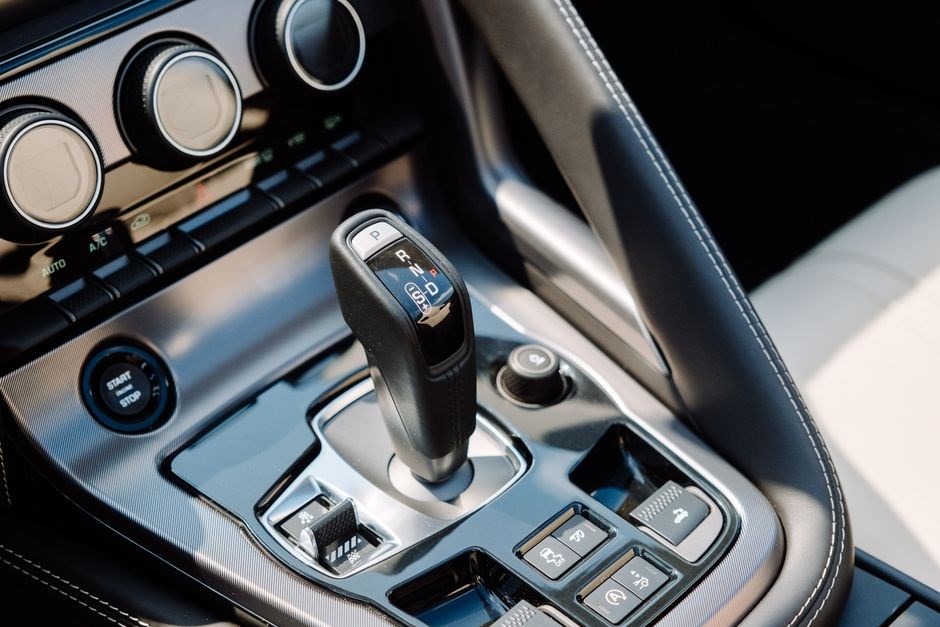
Choosing between a 5‑speed and a 6‑speed manual can shape driving feel, performance, and fuel economy. A 6‑speed offers closer ratios for smoother acceleration and quieter highway cruising, while a 5‑speed can be lighter, cheaper, and still efficient with well‑tuned final‑drive ratios. It balances daily usewell.
Understanding Gearboxes
Gearboxes translate engine torque into wheel motion through a set of gears. A manual gearbox requires driver input to shift, offering control over speed and torque. Five or six forward gears alter torque multiplication, affecting acceleration, top speed, and engine load.. !
Definition of 5-Speed Manual
A 5‑speed manual gearbox offers five forward gear ratios, letting drivers balance torque and speed across driving conditions. The gears progress from low‑speed, high‑torque first gear to high‑speed, low‑torque fifth gear, typically arranged as 1st for rapid acceleration, 2nd and 3rd for mid‑range performance, 4th for efficient cruising, and 5th as an overdrive that lowers engine RPM at highway speeds. This layout is common in many compact and midsize cars, providing a good mix of performance, fuel economy, and mechanical simplicity. The 5‑speed design keeps the gearbox lighter and less complex than a 6‑speed, often reducing manufacturing costs and maintenance. However, the larger gaps between ratios can make acceleration feel slightly less refined compared to a 6‑speed, especially in modern engines that benefit from closer ratios for optimal power band usage.
Typical gear ratios for a 5‑speed might be 3.50:1 for first, 2.20:1 for second, 1.40:1 for third, 1.00:1 for fourth, and 0.80:1 for fifth, though values vary by manufacturer and vehicle weight. These ratios keep the engine within its optimal torque band during acceleration while also providing a low engine speed in top gear for improved fuel economy. The 5‑speed layout is popular in vehicles that prioritize a balance between performance and cost, such as many entry‑level sedans, hatchbacks, and some sports cars from the early 2000s. While newer models increasingly adopt 6‑speed or automated transmissions for better efficiency, the 5‑speed remains a staple in many markets due to its proven reliability and ease of repair.
Drivers often appreciate the engagement of a 5‑speed, as the fewer shifts can make the driving experience feel direct.!!
Definition of 6-Speed Manual
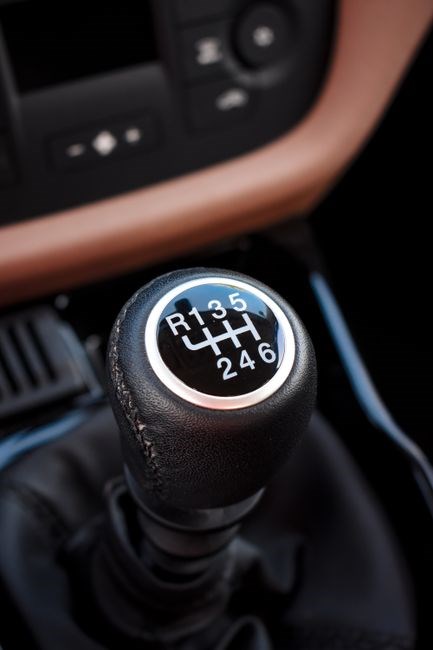
A 6‑speed manual gearbox adds an extra forward gear, allowing tighter ratio spacing and a lower engine RPM in top gear. This design improves fuel efficiency on highways, reduces engine noise, and keeps the power band closer to the engine’s optimum torque range. Typical gear ratios might be 3.50:1 for first, 2.20:1 for second, 1.40:1 for third, 1.00:1 for fourth, 0.80:1 for fifth, and 0.65:1 for sixth. The sixth gear functions as an overdrive, lowering the engine speed at cruising speeds and enabling smoother acceleration between lower gears. Many modern compact, midsize, and sports cars adopt 6‑speed manuals to balance performance, economy, and driving engagement. The added gear also offers a more refined shift pattern, making the driving experience feel more connected to the engine’s power curve. While the 6‑speed is slightly heavier and more complex than a 5‑speed, its benefits in fuel economy and acceleration often outweigh the marginal cost increase for enthusiasts and everyday drivers alike.
The 6‑speed manual’s extra gear allows drivers to keep the engine in its most efficient RPM range for longer periods, By offering a lower top‑gear ratio, the gearbox reduces engine load during highway cruising, which translates into lower fuel consumption. Additionally, the closer spacing between gears improves acceleration smoothness, making gear changes feel more seamless and responsive. Many drivers appreciate the refined feel of a 6‑speed as it bridges the gap between performanceeconomy, delivering a balanced driving experience that suits both spirited driving commuting!!
Gear Ratio Analysis
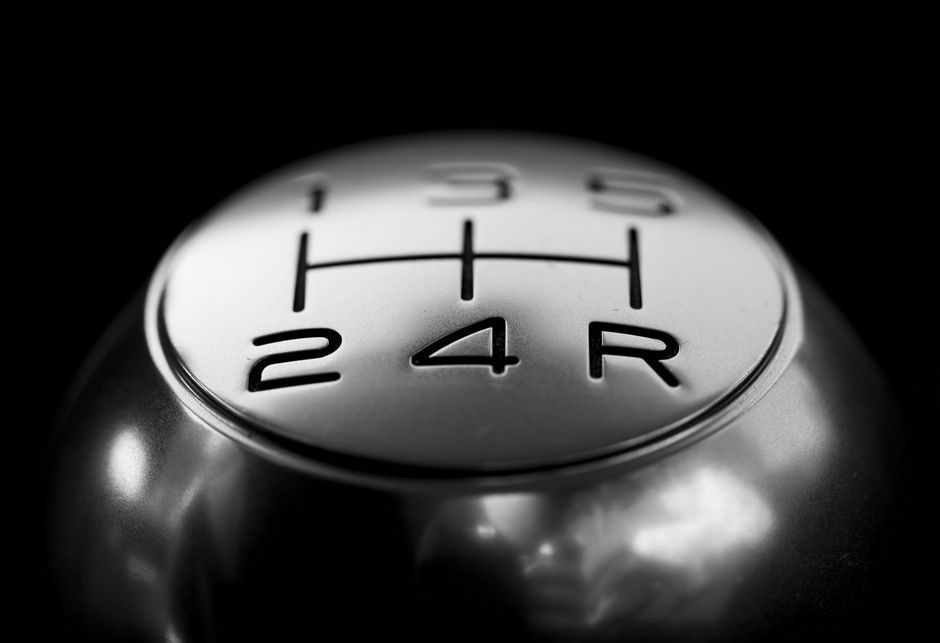
6‑speed gearboxes use tighter ratios, placing the engine closer to peak torque and lowering RPM in top gear. 5‑speed gearboxes have wider gaps, offering a simpler, lighter design but less flexibility. Ratio spread directly affects acceleration, top speed, and fuel economy. Efficient.
Ratio Distribution in 5-Speed
In a typical 5‑speed manual, the first gear is the most aggressive, designed to deliver maximum torque for a quick launch. The second gear follows with a slightly lower ratio, allowing the engine to stay within the power band while the vehicle accelerates. The third gear often represents a middle ground, balancing acceleration and fuel efficiency. The fourth gear is usually a high‑speed gear, providing a compromise between engine speed and road speed. Finally, the fifth gear is the top gear, optimized for highway cruising, keeping engine RPM low to improve fuel economy. The spread between gears is generally wider than in a 6‑speed, meaning each shift covers a larger jump in engine speed. This design can simplify the gearbox, reduce weight, and lower manufacturing costs. However, the larger gaps can lead to more noticeable changes in engine sound and torque delivery when shifting, especially under load. Drivers may experience a more pronounced “step” between gears, which can affect the smoothness of acceleration and the overall driving feel. Engineers often compensate by tuning the final‑drive ratio and selecting gear ratios that best match the vehicle’s power curve. The result is a gearbox that is efficient for everyday use but may lack the fine‑tuned flexibility of an extra gear. Understanding these trade‑offs helps buyers decide whether the simplicity and cost savings of a 5‑speed outweigh the performance benefits of an extra gear. Ultimately, the choice hinges on driving priorities: a 5‑speed delivers a lighter feel, while a 6‑speed offers smoother transitions and highway efficiency.!!
Ratio Distribution in 6-Speed
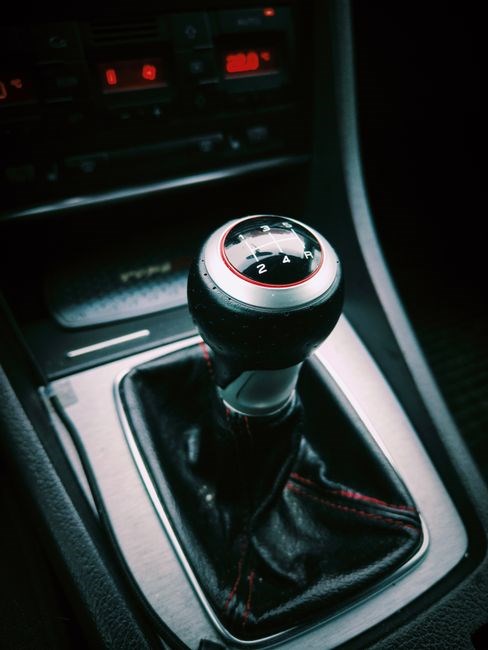
In a 6‑speed manual, the gear spread is deliberately tighter, with each shift covering a smaller jump in engine rpm. The first gear is still the most aggressive, but the second and third gears are closer together, allowing the engine to stay nearer its peak torque band during acceleration. The fourth gear often serves as a mid‑range step that balances performance and efficiency. The fifth gear is a high‑speed gear that keeps rpm low for highway cruising, while the sixth gear is the top gear, optimized for maximum fuel economy and a quiet ride. This tighter distribution means the driver experiences smoother transitions, reduced engine noise, and a more consistent power delivery. Engineers can also fine‑tune the final‑drive ratio to match the vehicle’s intended use, whether it’s daily commuting or spirited driving. The result is a gearbox that offers better flexibility, improved fuel efficiency on the motorway, and a more refined driving feel compared to a 5‑speed. However, the added gear increases mechanical complexity, weight, and cost, which manufacturers weigh against the performance gains. Ultimately, the 6‑speed’s closer ratios provide a more versatile and efficient driving experience for many drivers. By incorporating an extra gear, manufacturers can fine‑tune shift points to keep the engine operating near its peak torque range across a broader speed spectrum, which not only enhances acceleration and top‑speed capability but also allows drivers to maintain lower rpm at cruising speeds, thereby reducing engine wear and improving overall vehicle longevity. It boosts now.
Performance Impact
A 6‑speed manual delivers smoother acceleration and higher top speed thanks to tighter gear ratios, keeping the engine near peak torque. The extra gear also lowers rpm in high‑speed cruising, reducing noise and improving fuel economy versus a 5‑speed. Drivers see better acceleration savings.
Acceleration Differences
This results in a more responsive throttle and a smoother transition between gears, especially noticeable when shifting from second to third or third to fourth.
Drivers often report a noticeable “mid‑shift” boost, where the engine can maintain higher rpm without over‑revving, providing a more spirited drive.
In contrast, a 5‑speed manual typically has wider gaps between gears, which can cause the engine to drop out of its peak torque range during a shift.
While the difference is subtle in everyday driving, performance enthusiasts and track drivers find that the tighter ratios of a 6‑speed enable quicker acceleration times, especially in the 0‑60 mph range.
Additionally, the extra gear in a 6‑speed allows for a lower top‑gear ratio, keeping the engine in a higher rpm range during high‑speed runs, which can translate to a faster top speed.
On the other hand, a 5‑speed can still deliver strong acceleration if the gear ratios are well‑designed, but it often requires more aggressive shifting to maintain the same power delivery.
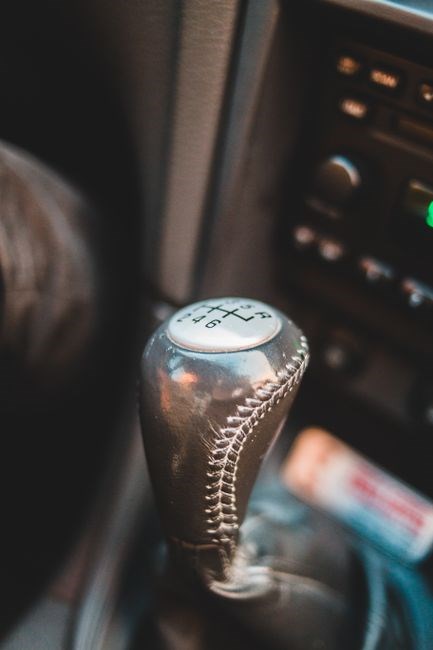
Ultimately, the choice between 5‑and 6‑speed transmissions for acceleration depends on the driver’s preference for smoothness versus raw power, as well as the specific tuning of the gearbox.
Drivers who value launchand gear steps often favor the 6‑speed, while those who prefer simplicityand lower cost may still find the 5‑speed adequate for everyday acceleration. use performance.!!!!!!!??!!!!!!
Top Speed and Power Band
This difference means that a 6‑speed gearbox usually has a lower final gear (e.g., 0.70:1) compared to a 5‑speed’s top gear (e.g., 0.80:1). The lower ratio keeps the engine in its optimal power band at higher road speeds, allowing the vehicle to sustain peak torque and horsepower for longer periods. Consequently, a 6‑speed can reach a higher top speed on a given road or track, especially when the engine’s red‑line rpm is high. The tighter spacing between gears also means that the engine can stay closer to its most efficient rpm range during acceleration, reducing the need for a high‑speed gear that would otherwise push the engine into a less efficient zone. In contrast, a 5‑speed’s wider gear steps often force the engine to climb to a higher rpm to maintain power, which can result in a slightly lower top speed and a less efficient power band at cruising speeds. However, if the 5‑speed’s final gear is tuned to a very low ratio, it can still achieve comparable top speeds, but the trade‑off is typically a heavier clutch and more wear on the final drive. Overall, the 6‑speed’s ability to keep the engine in its sweet spot at higher speeds gives it an advantage in both top speed and sustained power output, while the 5‑speed’s simplicity can still deliver strong performance if properly matched to the vehicle’s drivetrain and engine characteristics.
For example, a 200‑horsepower inline‑four in a 5‑speed reaches about 140 mph, while the same engine in a 6‑speed can hit 150 mph thanks to the lower top‑gear ratio. The tighter spacing keeps the engine in its sweet spot, improving acceleration and reducing lag.
Because the 6‑speed’s final gear is lower, the engine can stay in its most efficient rpm range for longer, which is especially valuable for long highway drives and when towing heavy loads. The trade‑off is a slightly heavier clutch and more complex gear linkage, but the performance gains often outweigh these drawbacks. Thanks!Enjoy
Fuel Efficiency Considerations
A 6‑speed manual typically improves highway fuel economy by keeping the engine at lower RPMs in top gear, reducing drag and idle loss. Tuned 5‑speed can match efficiency, but the extra gear in a 6‑speed offers smooth transitions and better fuel savings on long drives. daily

Highway Cruise Efficiency
On long stretches of highway, the extra gear in a 6‑speed manual often translates into noticeable fuel savings. By allowing the engine to run at a lower, more efficient RPM in top gear, the transmission reduces both aerodynamic drag and internal friction. Drivers typically experience a smoother, quieter ride because the engine stays closer to its optimal power band, cutting idle loss and improving overall mileage. A well‑tuned 5‑speed can match this efficiency if the final‑drive ratio is selected to keep the engine in the sweet spot, but it usually requires a slightly higher top‑gear ratio to compensate for the missing sixth gear. Consequently, many modern vehicles adopt 6‑speed manuals to achieve better highway economy, especially in cars with larger engines or higher horsepower, where keeping the engine below peak torque yields the greatest benefit. In practice, the difference can range from a few tenths of a gallon per 100 miles to a full gallon, depending on driving style, vehicle weight, and engine size. For commuters who spend hours on the road, the 6‑speed’s ability to maintain lower RPMs during cruising often outweighs the marginal weight and cost increase, making it the preferred choice for fuel‑conscious drivers; Moreover, the reduced load on the clutch during high‑speed cruising also lessens wear, extending the life of the manual gearbox. Drivers who prioritize long‑term reliability often favor the 6‑speed for its smoother engagement and lower engine strain. In contrast, the 5‑speed’s simpler design can appeal to purists who value mechanical straightforwardness and slightly lower purchase cost. Thanks.

Weight and Complexity
A 6‑speed gearbox adds an extra gear set, increasing weight by roughly 5–10 kg and mechanical complexity. More synchronizers and a larger clutch assembly raise manufacturing cost, while the extra gear improves shift precision. A 5‑speed remains lighter, simpler, and cheaper.better.
Mechanical Weight and Cost
In a 6‑speed manual, the extra gear set and synchronizer add roughly 5–10 kg, raising total drivetrain weight by 2–3 %. The added mass increases clutch load and requires a larger clutch disc and bearing. Manufacturing cost rises 10–15 % due to extra gear teeth, bearings, and precision machining, so consumers pay 200–400 USD more for a 6‑speed. The heavier gearbox shifts the vehicle’s center of gravity forward, improving traction but potentially increasing understeer and raising unsprung weight if mounted near the rear axle, which can affect ride quality. In high‑performance models, the marginal cost increase is offset by gains in acceleration and top speed. For economy vehicles, the lighter 5‑speed saves money that can be passed to consumers, making the lower‑priced option attractive. The trade‑off is reflected in the final price tag and resale value. Lighter gearboxes also reduce drivetrain losses, improving fuel economy at cruising speeds, but the increased number of synchronizers can lead to higher maintenance costs over the vehicle’s lifespan. Manufacturers often balance these factors by offering both options in different trim levels to cater to performance enthusiasts and budget buyers alike. The choice between a 5 speed and a 6‑speed transmission often depends on the vehicle’s intended use, with models favoring 6‑speed for power delivery and models for 5‑speed to keep costs and weight low now.